In short
Most of our trips need no special fitness, only the ability to walk comfortably for a few hours on consecutive days. Level 2 means up to four hours of easy walking; level 3 means four to six hours with real hills; levels 4 and 5 are for people who already hike regularly and can handle six to nine hours and big climbs. If you’re unsure, choose the lower level, or ask us.
What the five levels mean
Every Fernway trip is rated from 1 to 5. The rating describes the hardest run of consecutive days on the trip, not the average day, because that is what decides whether you enjoy it.
Level 1 · Leisurely
Short walks of under two hours on even ground, such as nature trails, town walks and viewpoints. Most of the travel is by vehicle or boat. Suitable for anyone in reasonable health. Example: Serengeti & Ngorongoro.
Level 2 · Easy
Walks of up to four hours on good paths with gentle hills, up to about 400 metres of climbing, usually with easier days in between. If you walk for an hour or two several times a week, you will be fine. Examples: Atlas to Sahara, Iceland, Tuscany.
Level 3 · Moderate
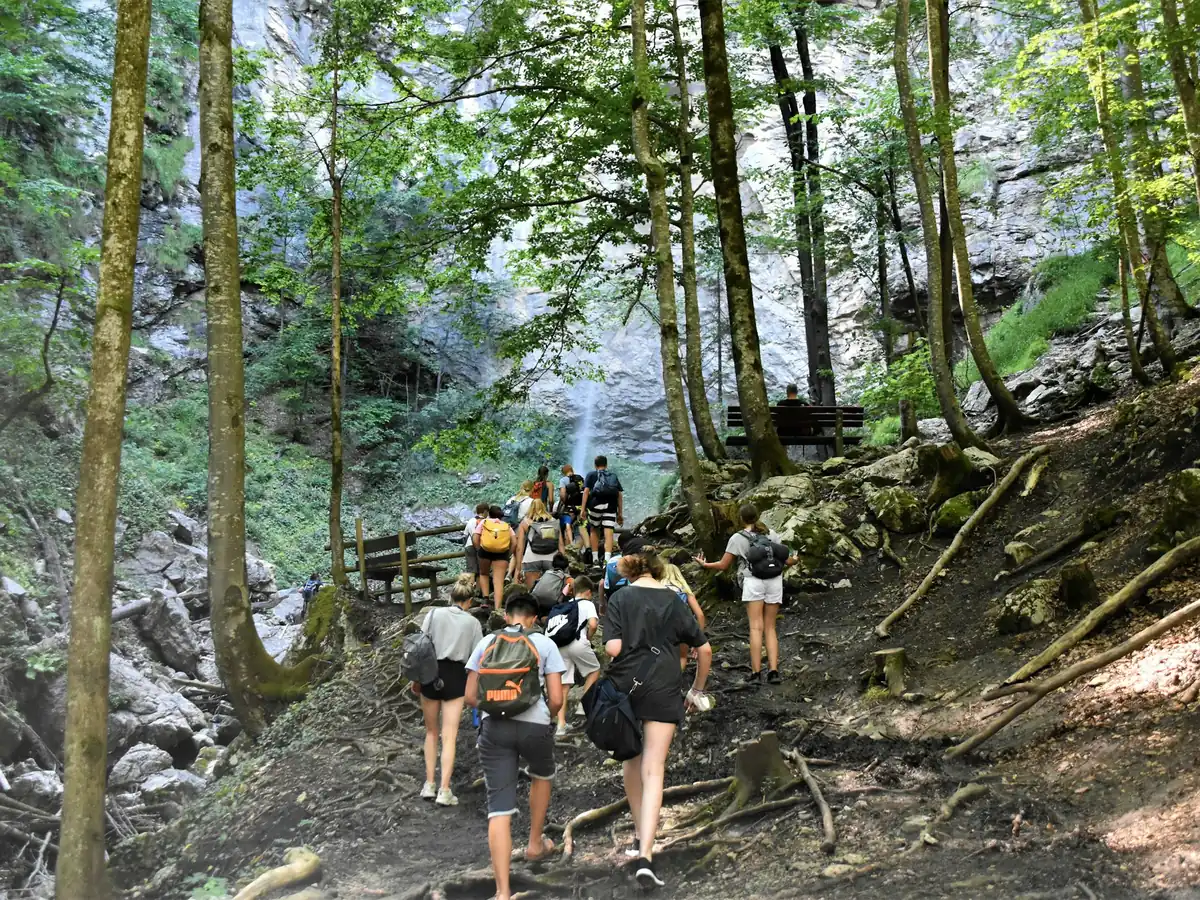
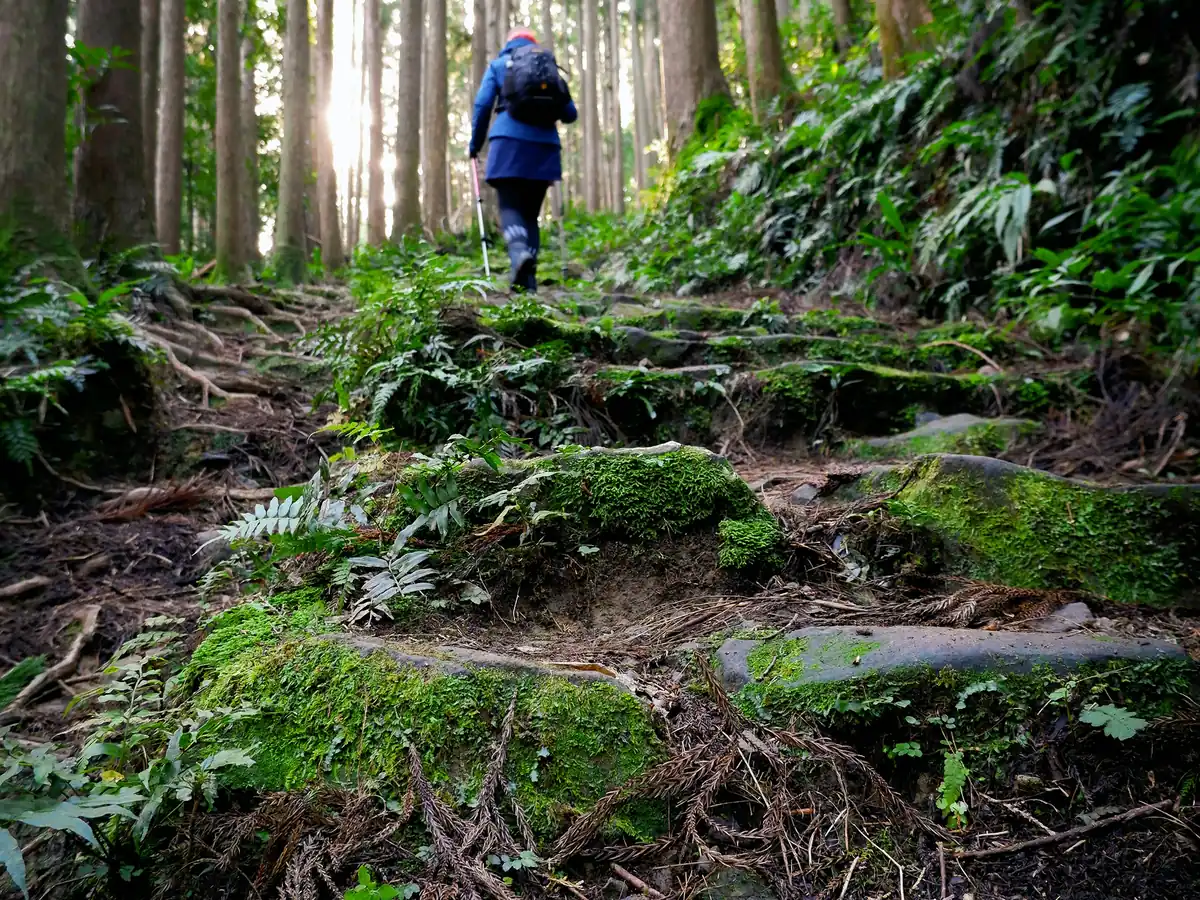
Four to six hours a day on varied ground, with steps, roots and climbs of up to 800 metres, often several days in a row. You should be a regular walker who is comfortable with a full day out in the hills. Examples: Kumano Kodo, Petra & Wadi Rum, Lofoten.
Level 4 · Challenging
Six to eight hours on mountain trails with climbs of up to 1,200 metres, sometimes at altitude. You need to be a fit, experienced hiker and to train specifically for the trip. Examples: the Inca Trail, Patagonia’s W Trek.
Level 5 · Demanding
Seven to nine hours on steep and sometimes exposed ground over consecutive days, with climbs above 1,200 metres and nights in mountain huts. For strong, experienced trekkers. Example: Dolomites Hut to Hut.
A simple self-test
Fitness is easier to judge from what you have done recently than from how you feel. Be honest about the last three months:
| If you can comfortably… | You’re ready for |
|---|---|
| Walk for an hour on flat ground | Level 1 and most level 2 |
| Walk 10 km with a few hills, and feel fine the next day | Level 2, and level 3 with some training |
| Walk 15 km with 600 m of climbing, two days running | Level 3, and level 4 with training |
| Hike 20 km with 1,000 m of climbing, then do it again | Level 4 and level 5 |
The phrase that matters is "two days running". Most people can manage one big day; the challenge on a walking trip is the third and fourth days, when legs are tired and the path keeps going up.
Altitude is a separate question
Above about 2,500 metres, the air holds less oxygen, and everyone slows down regardless of fitness. Altitude sickness is not linked to how fit you are; very fit people get it too, often because they climb too fast. What helps is time: our Peru trip, for example, spends four nights between 2,800 and 3,400 metres before the Inca Trail’s 4,215-metre pass.
If you have a heart or lung condition, or have struggled at altitude before, talk to your doctor before booking a trip that goes above 3,000 metres, and tell us. We would rather adapt a plan than have you worried on the trail.
A 12-week training plan for levels 3 and 4
You don’t need a gym. You need time on your feet, ideally on hills, wearing the boots and daypack you will travel with. A simple plan we give our travellers:
| Weeks | During the week | At the weekend |
|---|---|---|
| 1–4 | Three brisk 45-minute walks, using stairs where you can | One 2 to 3-hour walk with some hills |
| 5–8 | Three 1-hour walks or cycles, one with steep hills or stairs | A 4 to 5-hour hill walk with a daypack |
| 9–11 | As above, plus 20 minutes of stair climbing twice a week | Two long hill walks on consecutive days |
| 12 | Easy walks only, to rest your legs | A short, gentle walk |
Break in your boots during weeks 1 to 8, not in the last fortnight. Most blisters on our trips come from boots that are less than a month old.
What happens if someone struggles
On every walking day the leader sets a pace for the slowest comfortable walker, with regular stops. Many days have a shorter option or a vehicle that can meet you at lunchtime. On mountain trips, a second guide walks at the back so the group never has to choose between waiting and leaving someone behind.
The goal is a trip you enjoy, not one you endure. If a level is borderline for you, the right choice is almost always the one below it.
Questions about fitness
Can I do a level 4 trip if I’ve never trekked before?
It is possible with three months of steady training, but it is not the easiest introduction. We usually suggest a level 3 trip first, so you learn how your body copes with consecutive walking days before adding big climbs and altitude.
Do walking poles help?
Yes, especially on descents, where they take strain off your knees. Practise with them on your training walks. Many of our trips have poles to borrow, but your own will fit better.
What happens if I can’t finish a day’s walk?
Your leader will arrange a shorter route or a transfer to the next stop wherever the terrain allows. On remote sections, such as the Inca Trail, there are set points where you can turn back with a member of the team.