Trip at a glance
- Duration
- 11 days
- Route
- Kyoto to Osaka
- Group
- Max 12 · age 16+
- Activity
- Level 3 · Moderate
- Footprint
- 11 kg CO2e a day
- From
- $5,290 pp
Japan · 11 days · Small group
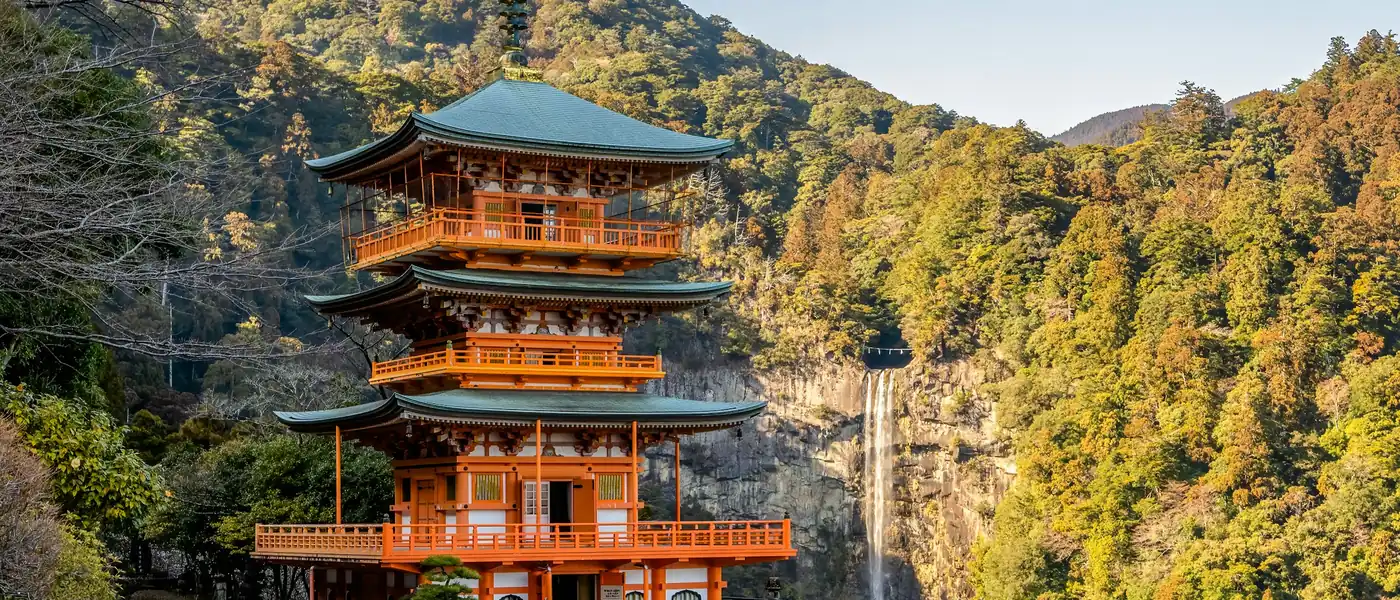
A temple night on Mount Kōya, four days on the thousand-year-old Nakahechi pilgrim trail, two nights in a hot-spring village, and the falls at Nachi at the end of it all.
Arrive in Kyoto and check into a restored machiya townhouse in the Higashiyama district. In the evening your leader walks the group through lantern-lit Pontochō alley to a welcome dinner at a family izakaya.
An early start for the upper torii paths of Fushimi Inari, which are almost empty before 8am. The afternoon is free; in the evening, a tea ceremony in a 19th-century tea house run by the same family for five generations.
Train and cable car up to Kōyasan, the mountain monastery town founded in 816. Stay in shukubō temple lodgings, eat shōjin ryōri vegetarian cooking, and walk the 2 km cedar avenue of Okunoin cemetery by lantern light.
After the morning prayer service, a private minibus takes the group down through the Kii mountains to Kii-Tanabe (about three hours). Evening in Ajikōji, Tanabe’s lane of tiny bars and grills.
The walking begins at Takijiri-ōji, the traditional entrance to the sacred Kumano area. A steep first hour climbs through forest to Takahara, the "village in the mists", with views over layered ridges. 4 km, 400 m of ascent, about 3 hours.
The longest day: old stone paths, tea-house ruins and oji shrines through cedar and cypress forest to the riverside village of Chikatsuyu. 10 km, 550 m of ascent, 5 to 6 hours with a packed lunch on the trail.
A short transfer to Hosshinmon-ōji, then the classic final stretch to the grand shrine of Kumano Hongū Taisha through tea fields and hamlets. Continue by bus to Yunomine Onsen and bathe in Tsuboyu. 7 km, mostly downhill, about 3 hours.
A rest day in the hot-spring village. Join your leader on the short Dainichi-goe trail to the giant torii at Ōyunohara, or take the traditional river boat down the Kumano-gawa (March to November).
Walk the moss-covered Daimon-zaka stone stairway, lined with 800-year-old cedars, to Kumano Nachi Taisha, the Seiganto-ji pagoda and the 133-metre Nachi Falls. Overnight by the sea in Kii-Katsuura. 2 km, 270 m of steps.
An early look at Katsuura’s tuna auction, then the Kuroshio limited express along the coast to Osaka (about four hours). Farewell dinner in the backstreets of Shinsekai.
The trip ends after breakfast. Kansai International Airport is about 50 minutes away by train; your leader will help with tickets.
Route: Kyoto → Kōyasan → Tanabe → Takijiri → Takahara → Chikatsuyu → Hongū → Yunomine → Nachi → Osaka
You should be comfortable walking 5 to 6 hours with a daypack on uneven stone paths and steps, two or three days in a row. Walking poles help on the descents.
Expect futons on tatami in traditional inns, and shared bathrooms at the temple and in Takahara. Private bathrooms elsewhere.
Visa rules depend on your passport. Many nationalities enter Japan visa-free for short stays; check your government’s travel advice and your passport’s validity before booking.
Travel insurance covering medical care, evacuation and cancellation is a condition of joining any Fernway trip.
The temple night and the morning prayers were unforgettable, and the luggage transfer made the trail genuinely enjoyable rather than an endurance test.
Our leader Aiko grew up two valleys over. Every innkeeper greeted her like family, and so, by the end, did they greet us.
Rated 4.9 out of 5 from 186 verified reviews of this trip.
Moderate. The Nakahechi trail is well marked but steep in places, with stone steps and tree roots. The longest day is about 10 km with 550 m of climbing over 5 to 6 hours. If you walk a few hours most weekends, you will enjoy it.
No. On walking days your main bag is forwarded by van to the next inn. You carry a daypack with water, rain gear and lunch. We ask you to keep your main bag under 15 kg because inn staff carry it upstairs.
You sleep on futons laid out on tatami mats, wear the yukata robe provided, and eat a multi-course dinner of local dishes. Baths are shared and separated by gender, with private family baths at most inns. Your leader explains the etiquette on day one.
April, May, October and November. Spring brings cherry blossom in early April and fresh green forest; autumn has clear skies and colour in November. June is the rainy season and July and August are hot and humid, so we do not run group departures then.
Prefer your own dates, or travelling with family or friends? This itinerary runs privately from two travellers, and we can add Nara, Naoshima or a longer Kumano walk. How private departures work.
You might also like
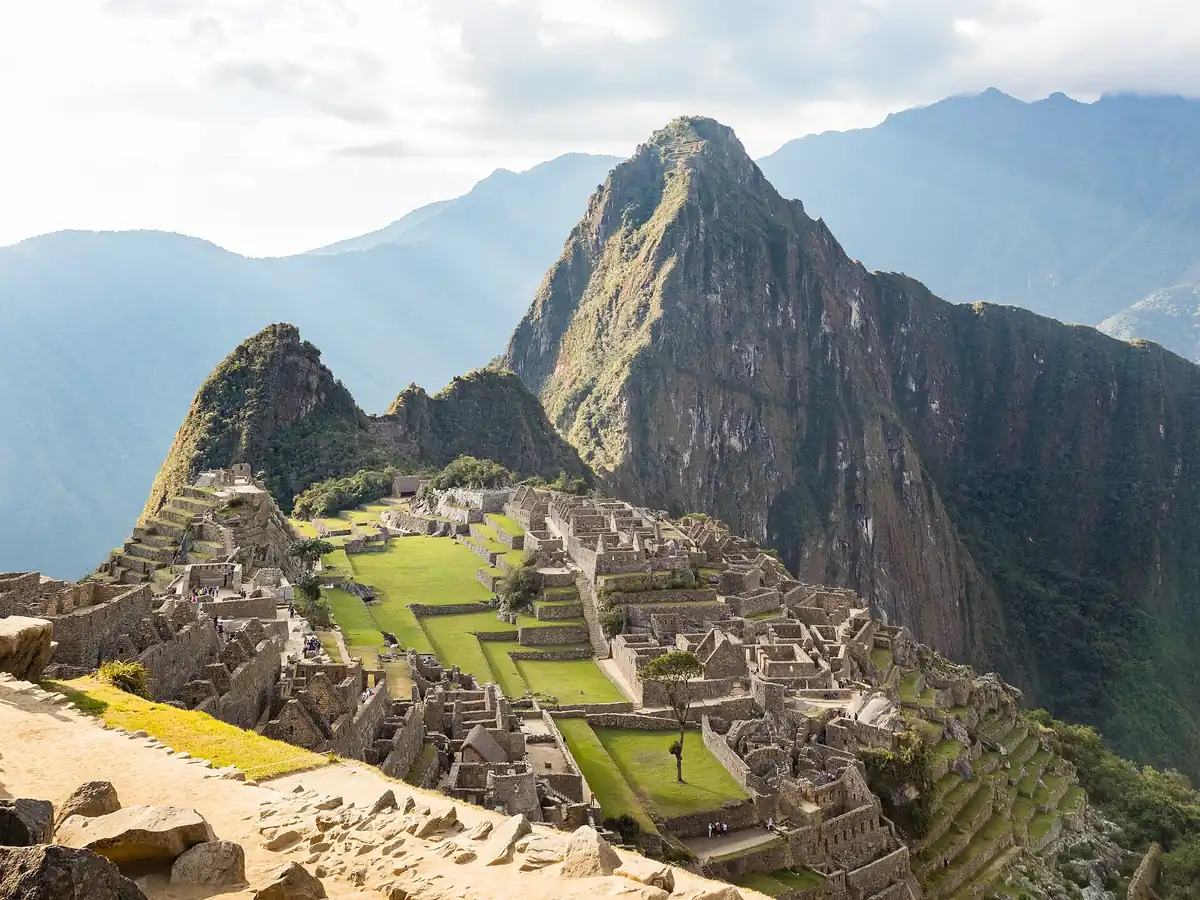
Peru · Trekking & culture
Acclimatise in weaving villages, then walk the classic four-day trail to the Sun Gate at dawn.
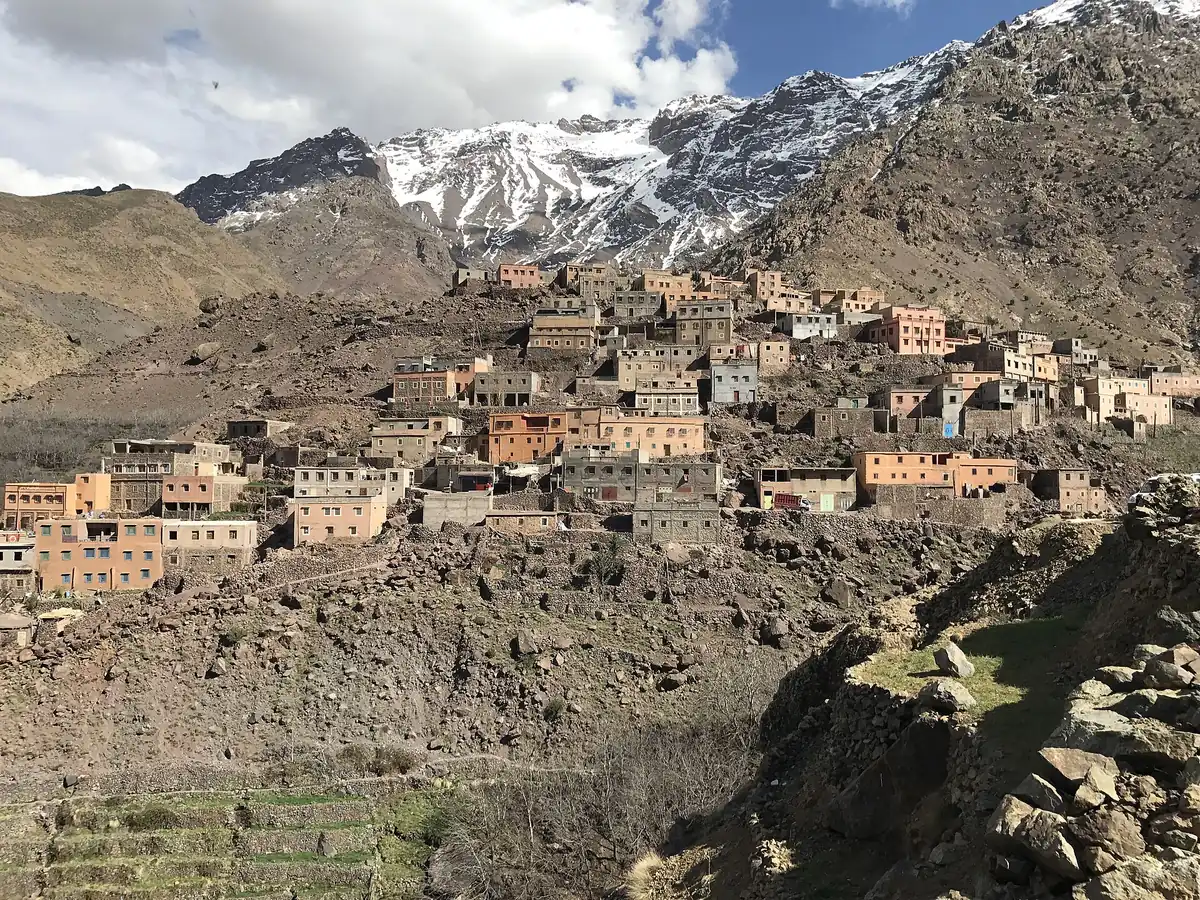
Morocco · Desert & culture
Imlil guesthouses, a mule-supported walk over the Tamatert pass and a night in the Erg Chebbi dunes.
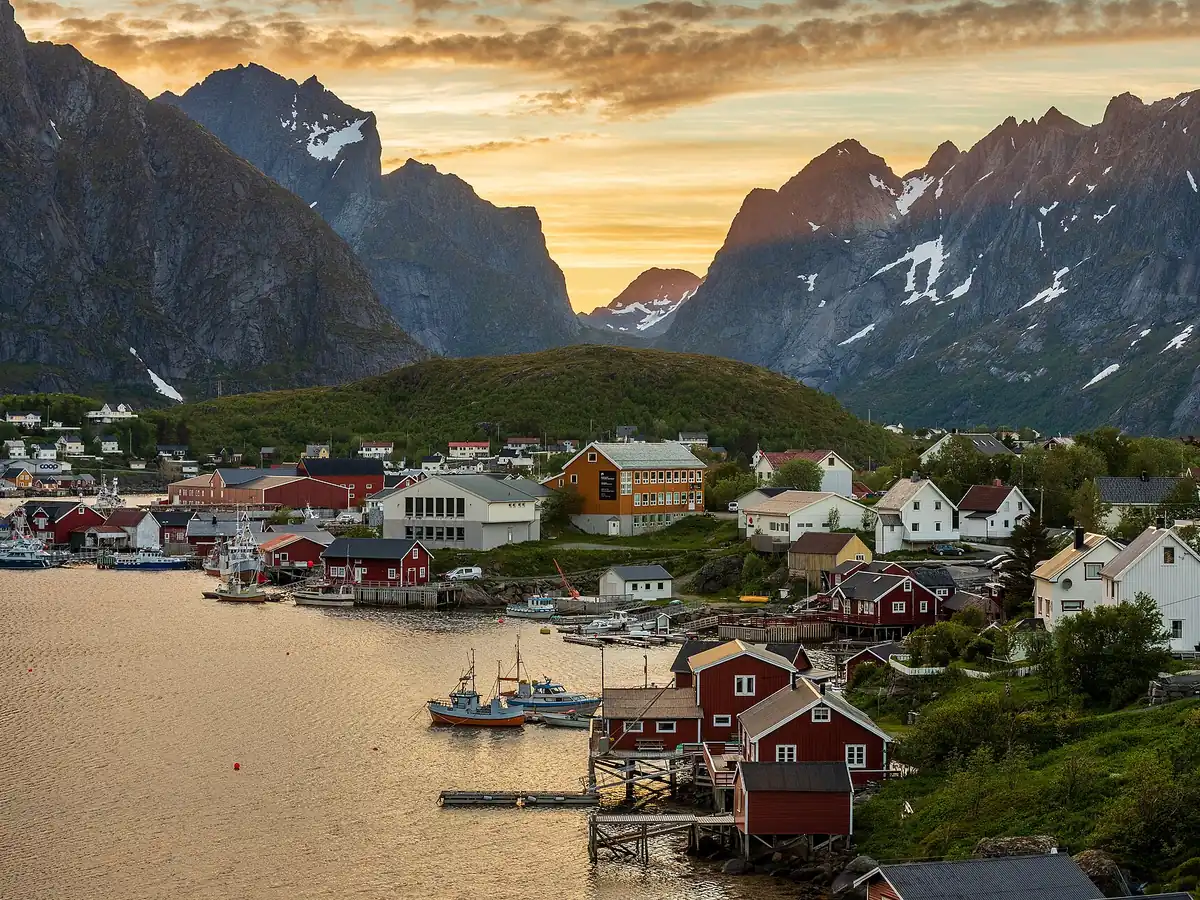
Norway · Walking
Ridge walks above white-sand bays and nights in converted fishermen’s cabins on the water.